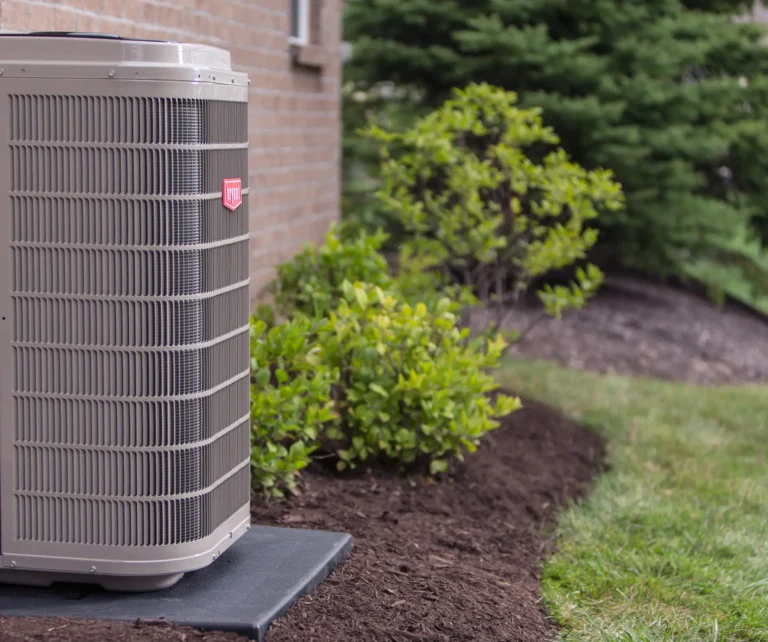

AC Repair in Elgin National Watch Historic District, Elgin, IL
When your air conditioning system breaks down in the middle of an Illinois summer, the discomfort escalates fast. Temperatures in the Elgin area regularly climb into the 90s during July and August, and humidity levels can make indoor spaces unbearable without a functioning cooling system. For residents and light commercial property owners in the Elgin National Watch Historic District, AC repair requires not just technical expertise but also an understanding of the unique building characteristics found in this storied neighborhood. At Lea Heating & Air Conditioning, we bring decades of hands-on experience to every repair call, having provided HVAC service in the Northwest Suburbs for over 48 years.
The Elgin National Watch Historic District is one of the most architecturally significant neighborhoods in the Fox Valley region. Homes and buildings in this area often date back to the late 1800s and early 1900s, originally constructed during the heyday of the Elgin National Watch Company. These structures feature construction methods, wall thicknesses, and ductwork configurations that differ dramatically from modern builds. Repairing air conditioning systems in these properties demands a provider who understands how older infrastructure interacts with contemporary HVAC equipment, and that is exactly the kind of challenge we embrace every day.
Common AC Problems We Address in the Historic District
Air conditioning systems in the Elgin National Watch Historic District face a distinctive set of challenges. Many homes in this area were retrofitted with central air conditioning long after original construction, meaning ductwork was often added into spaces not originally designed for it. Over time, these retrofit installations can develop leaks, restrictions, and inefficiencies that compromise cooling performance. We regularly diagnose and repair issues stemming from undersized duct runs, poorly sealed connections, and aging equipment that has been working overtime to compensate for these structural limitations.
Beyond ductwork concerns, we encounter the full spectrum of AC malfunctions that affect homeowners across Elgin and surrounding communities including Algonquin, Carpentersville, Hoffman Estates, Sleepy Hollow, and West Dundee. Refrigerant leaks remain one of the most common issues we see, particularly in systems that are ten years old or more. Low refrigerant levels force compressors to work harder, driving up energy bills and accelerating wear on critical components. Our technicians use electronic leak detection equipment to pinpoint the exact location of refrigerant loss, allowing us to make targeted repairs rather than simply recharging the system and hoping for the best.
Compressor failures, capacitor burnouts, contactor issues, and frozen evaporator coils round out the most frequent repair scenarios we handle. Each of these problems has root causes that must be properly identified. A frozen coil, for example, might indicate restricted airflow from a dirty filter, but it could also signal a failing blower motor or a refrigerant charge imbalance. We take a diagnostic-first approach, using systematic testing to determine the true cause before recommending any repair.
Our AC Repair Process and Methodology
We are a second-generation, family-owned HVAC provider in Northeast Illinois, and that heritage shapes how we approach every service call. Continuing 45 years of excellence in the residential and light commercial heating, cooling, indoor air quality, and hot water fields, we exemplify leading innovation and proven integrity. When you call us for AC repair, we begin with a thorough system evaluation that goes beyond simply checking the obvious symptoms.
Our diagnostic process starts at the thermostat, where we verify proper calibration and communication with the system. From there, we inspect electrical connections, measure voltage and amperage draws on motors and compressors, check refrigerant pressures against manufacturer specifications, evaluate airflow across the evaporator and condenser coils, and inspect drainage systems for blockages. This comprehensive approach ensures we catch not only the immediate problem but also any developing issues that could lead to a future breakdown.
- Thermostat diagnostics and calibration verification to ensure accurate temperature control throughout your space
- Electrical component testing including capacitors, contactors, relays, and wiring integrity checks
- Refrigerant pressure analysis using manifold gauges to verify proper charge levels and detect leaks
- Airflow measurement and ductwork inspection to identify restrictions or losses that reduce cooling efficiency
- Condensate drain clearing to prevent water damage and humidity problems inside your home
- Compressor performance evaluation including amp draw testing and thermal assessment
Once we complete the diagnostic phase, we discuss our findings with you in plain language. We explain what failed, why it failed, and what options you have for repair. We believe informed customers make better decisions, and we never pressure anyone into unnecessary work.
Why Historic District Properties Need Specialized Attention
Properties in the Elgin National Watch Historic District often have specific preservation guidelines that affect how HVAC work can be performed. Exterior modifications may be restricted, which means condenser placement, line set routing, and even the visibility of equipment from the street can become important considerations during repairs that require component replacement. Our familiarity with working in historic Elgin neighborhoods means we understand these sensitivities and plan our work accordingly.
Older homes also tend to have less insulation than modern construction, which places additional strain on cooling equipment. When we repair an AC system in the historic district, we factor in the building envelope performance as part of our assessment. Sometimes improving indoor air quality measures or addressing air sealing around ductwork can dramatically improve comfort and reduce the burden on repaired equipment, extending its remaining service life.
Keeping Your System Running After Repair
The Department of Energy estimates that proper maintenance can reduce AC energy consumption by up to fifteen percent annually. After completing a repair, we always recommend establishing a regular maintenance schedule to prevent recurring problems. Industry data consistently shows that well-maintained air conditioning systems last significantly longer than neglected ones, with average lifespans extending from ten to fifteen years up to eighteen or twenty years with consistent professional care.
- Schedule seasonal tune-ups before the cooling season begins each spring to catch worn components early
- Replace air filters monthly during heavy use periods to maintain proper airflow and indoor air quality
- Keep condenser units clear of vegetation, debris, and obstructions to ensure adequate heat dissipation
- Monitor your energy bills for unexpected increases that might signal declining system performance
- Address unusual sounds or odors immediately rather than waiting for a complete system failure
At Lea Heating & Air Conditioning, we take pride in delivering cutting-edge HVAC solutions backed by the kind of personal service that only a family-owned business can provide. Whether your historic district home needs a quick capacitor replacement or a complex compressor repair, we bring the same level of dedication and technical precision to every job. Our long history of serving the Elgin community and the surrounding Northwest Suburbs means we understand the local climate demands, the unique characteristics of area homes, and the expectations of homeowners who value quality workmanship. When your AC needs repair, we are ready to restore your comfort quickly and correctly.