
AC Service in the Elgin Historic District, Elgin, IL
The Elgin Historic District stands as one of the most architecturally significant neighborhoods in the northwest suburbs of Illinois. With homes dating back to the mid-1800s and early 1900s, this area presents unique challenges when it comes to maintaining modern comfort systems. At Lea Heating & Air Conditioning, we understand that providing AC service in the Elgin Historic District requires more than standard technical knowledge. It demands an appreciation for older construction methods, an understanding of how vintage building materials interact with modern HVAC equipment, and a commitment to preserving the character of these remarkable properties while ensuring reliable cooling performance throughout the hottest months of the year.
As a second-generation, family-owned HVAC provider in Northeast Illinois, we bring decades of hands-on experience working with the distinctive homes and light commercial buildings found throughout Elgin. Continuing 45 years of excellence in the residential and light commercial heating, cooling, indoor air quality, and hot water fields, we have developed specialized approaches that address the particular needs of historic properties. Our technicians are trained to assess each building individually, accounting for factors like plaster walls, balloon framing, limited attic access, and original window configurations that directly affect cooling system performance.
Why Historic Homes in Elgin Need Specialized AC Service
Homes in the Elgin Historic District were built during an era when air conditioning simply did not exist. The original architects designed these structures to rely on natural ventilation, high ceilings, and thick walls for temperature regulation. When modern AC systems are retrofitted into these buildings, unique complications arise. Ductwork must be routed through tight spaces without compromising structural integrity or visible aesthetics. Electrical systems, many of which have been updated over the years but still retain certain legacy characteristics, must be evaluated to ensure they can support contemporary cooling equipment safely and efficiently.
According to the U.S. Department of Energy, heating and cooling account for roughly 48 percent of energy consumption in a typical American home. In older homes with less insulation, single-pane windows, and air infiltration through aging building envelopes, that percentage can climb even higher. This means AC service in the Elgin Historic District is not just about keeping equipment running. It is about optimizing the entire system to work within the constraints of the building while minimizing energy waste. Our technicians perform comprehensive evaluations that go beyond simple component checks, analyzing airflow patterns, duct integrity, refrigerant levels, and thermostat calibration to ensure peak performance.
Our AC Service Process for Historic District Properties
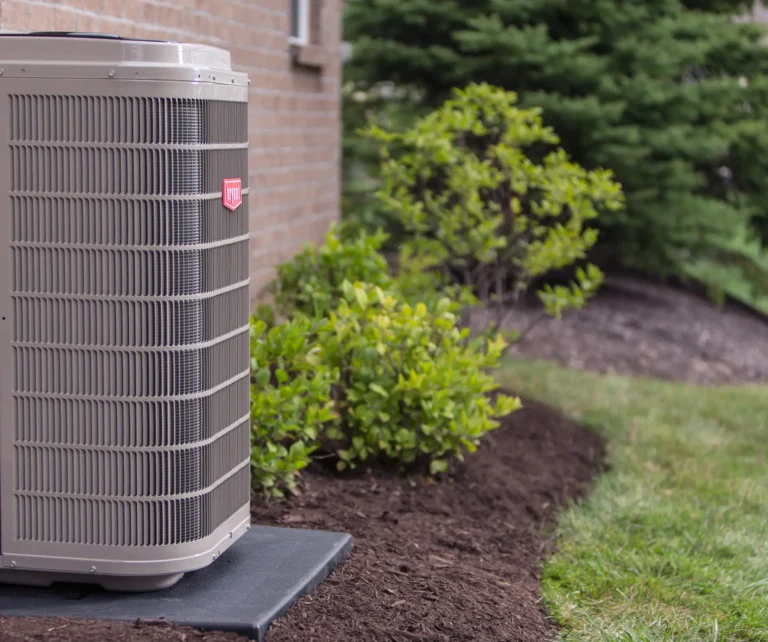
When we arrive at a property in the Elgin Historic District, our approach follows a methodical process designed to identify both immediate concerns and long-term opportunities for improvement. We begin with a thorough visual inspection of the outdoor condensing unit, checking for debris accumulation, refrigerant line condition, and proper clearance around the equipment. We then move indoors to examine the evaporator coil, blower motor, air handler, and drainage system. Every component receives individual attention because in older homes, seemingly minor issues can cascade into significant problems.
Our service protocol includes the following key steps:
- System diagnostics and performance baseline measurement to establish current operating parameters including temperature differential, airflow velocity, and electrical draw
- Refrigerant pressure testing to verify proper charge levels and identify any potential leaks in the line set or coil connections
- Evaporator and condenser coil cleaning to restore heat transfer efficiency that degrades over time due to dust and biological buildup
- Electrical connection inspection and tightening to prevent arc faults and ensure safe operation within older electrical panels
- Condensate drain clearing and treatment to prevent water damage that can be particularly destructive in historic homes with original woodwork and plaster
- Thermostat calibration and programming review to maximize comfort while reducing unnecessary runtime and energy consumption
Ductless and High-Velocity Options for Elgin Historic Homes
One of the most common challenges we encounter in the Elgin Historic District is the absence of existing ductwork. Many of these homes were originally heated with radiators, boilers, or gravity furnaces, meaning there is no built-in pathway for distributing conditioned air. Traditional duct installation can be invasive and visually disruptive in homes where crown moldings, hardwood floors, and ornamental plasterwork are defining features. This is where modern alternatives become essential.
Ductless mini-split systems have become increasingly popular in historic home applications. These systems use slim refrigerant lines that can be routed through small penetrations in exterior walls, connecting an outdoor compressor to one or more indoor air handling units. Each indoor unit can be controlled independently, allowing homeowners to cool specific rooms or zones without conditioning unoccupied spaces. The efficiency ratings on modern ductless systems frequently exceed 20 SEER2, making them among the most energy-efficient cooling options available today.
High-velocity systems represent another excellent solution for historic properties. These use small-diameter, flexible tubing that can be threaded through existing wall cavities, between floor joists, and around structural obstacles without requiring major demolition or reconstruction. The supply outlets are compact and unobtrusive, blending naturally into the aesthetic of period homes. We evaluate each property to determine which approach provides the best balance of performance, preservation, and investment value.
Maintaining Indoor Air Quality in Older Buildings
AC service in the Elgin Historic District also extends into indoor air quality considerations. Older homes can harbor accumulated dust, mold spores, and allergens within wall cavities and aging duct systems. When an air conditioning system cycles on, it can circulate these contaminants throughout living spaces. We address this by recommending appropriate filtration upgrades, UV germicidal light installations, and whole-home dehumidification solutions that work in conjunction with the cooling system to create a healthier indoor environment.
Humidity control is particularly important in historic homes. Excess moisture can damage original woodwork, promote mold growth behind plaster walls, and create uncomfortable conditions even when temperatures seem reasonable. Modern AC systems are designed to remove humidity as part of the cooling process, but proper system sizing is critical. An oversized unit will cool air quickly without running long enough to adequately dehumidify, while an undersized system will struggle to maintain setpoint temperatures during peak summer heat. Our load calculations account for the specific thermal characteristics of historic construction to ensure proper equipment matching.
Seasonal Considerations and Preventive Maintenance
Having served the HVAC needs of the northwest suburbs for over 48 years, we strongly advocate for preventive maintenance as the most effective strategy for avoiding costly breakdowns and extending equipment lifespan. For homeowners in the Elgin Historic District, seasonal tune-ups are especially valuable because replacement and repair work in older buildings is inherently more complex and time-consuming than in newer construction. A well-maintained system not only performs better but also protects the irreplaceable architectural elements of these treasured homes.
Key benefits of regular AC maintenance for historic properties include:
- Extended equipment lifespan that delays the disruption and expense of full system replacement in a challenging installation environment
- Reduced risk of water damage from condensate overflow or frozen evaporator coils dripping onto original hardwood floors and plaster ceilings
- Improved energy efficiency that helps offset the naturally higher cooling costs associated with older building envelopes
- Early detection of refrigerant leaks before they lead to compressor failure or environmental contamination
- Consistent comfort throughout the cooling season without unexpected interruptions during extreme heat events
Partnering with Elgin Historic District Homeowners
Owning a home in the Elgin Historic District carries both privilege and responsibility. These properties represent an important chapter in the architectural heritage of northeastern Illinois, and the homeowners who maintain them deserve service providers who share their commitment to quality and preservation. At Lea Heating & Air Conditioning, we approach every AC service call in this neighborhood with the respect these buildings deserve. Whether you need a routine tune-up, a complex repair, or guidance on upgrading your cooling system without compromising your home’s historic character, we are here to deliver cutting-edge HVAC solutions built on proven integrity and genuine expertise.