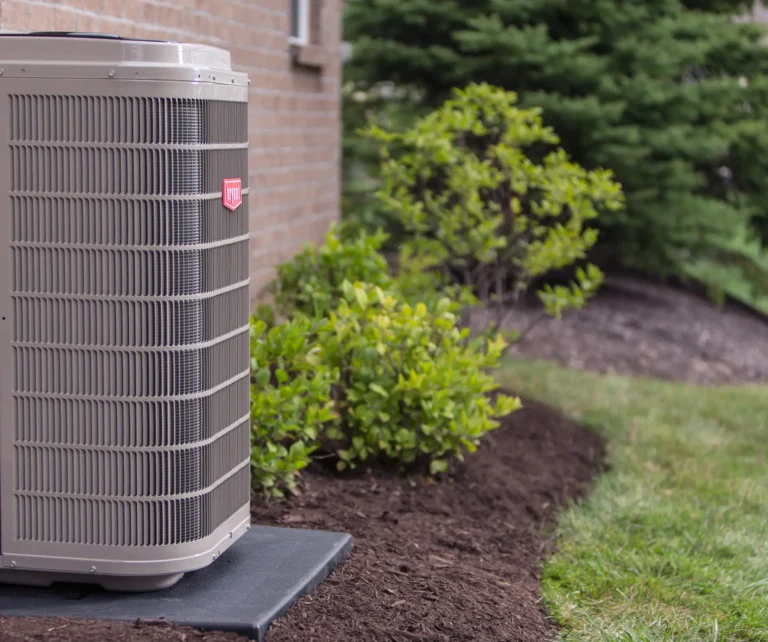

AC Installation Highland Woods, IL
When summer temperatures soar in Highland Woods, a reliable air conditioning system becomes essential for maintaining comfort in your home or business. Installing a new AC system represents a significant investment in your property’s value and your family’s comfort, requiring careful consideration of various factors including system sizing, energy efficiency ratings, and installation quality. As a second-generation, family-owned HVAC provider in Northeast Illinois, we understand the unique cooling challenges that Highland Woods residents face, from the humid July afternoons to those surprisingly warm September days that catch everyone off guard.
The process of AC installation involves far more than simply placing a unit and connecting some wires. Professional installation ensures optimal system performance, maximum energy efficiency, and the longevity you expect from your investment. Our approach to AC installation in Highland Woods combines technical expertise developed over 45 years of excellence in the residential and light commercial heating, cooling, indoor air quality, and hot water fields with an understanding of local climate patterns and building characteristics common to the area.
Understanding AC System Selection for Highland Woods Homes
Selecting the right air conditioning system for your Highland Woods property requires analyzing multiple variables that impact both immediate cooling performance and long-term operational costs. The size of your living space, insulation quality, window placement, and even the direction your home faces all influence the cooling capacity needed. An undersized system will run continuously without adequately cooling your space, leading to premature wear and elevated energy bills. Conversely, an oversized system cycles on and off frequently, creating uncomfortable temperature fluctuations and failing to properly dehumidify the air, which becomes particularly problematic during Illinois’s muggy summer months.
Energy efficiency ratings deserve special attention when choosing your new AC system. The Seasonal Energy Efficiency Ratio (SEER) indicates how efficiently a unit converts electricity into cooling power throughout an entire cooling season. Modern systems available for Highland Woods installations range from 13 SEER minimum efficiency models to ultra-efficient 21+ SEER units. While higher SEER ratings command premium prices initially, they typically generate substantial savings through reduced monthly utility bills. According to Department of Energy statistics, upgrading from a 10 SEER system to a 16 SEER model can reduce cooling costs by approximately 38 percent annually.
The Technical Installation Process
Professional AC installation begins with a comprehensive load calculation using industry-standard Manual J methodology. This calculation considers your home’s square footage, ceiling heights, insulation levels, air infiltration rates, and heat gain from windows and appliances. We analyze these factors to determine the precise cooling capacity required, measured in British Thermal Units (BTUs) or tons of cooling. One ton of cooling equals 12,000 BTUs per hour, and typical Highland Woods homes require between two and five tons of cooling capacity depending on their size and construction characteristics.
The physical installation process involves multiple critical steps that ensure optimal system performance. First, we position the outdoor condensing unit on a level concrete pad or mounting brackets, maintaining proper clearances for airflow and service access. The refrigerant lines connecting indoor and outdoor components require careful routing and insulation to prevent energy loss and condensation issues. We size these copper lines according to manufacturer specifications and system capacity, brazed with nitrogen purging to prevent oxidation inside the pipes. The indoor evaporator coil installation demands precise alignment with your furnace or air handler, ensuring proper airflow across the coil surfaces for maximum heat transfer efficiency.
Advanced Features and Technology Integration
Modern AC systems offer sophisticated features that enhance comfort while reducing energy consumption. Variable-speed compressors adjust cooling output to match real-time demand, maintaining consistent temperatures without the energy waste associated with traditional single-stage systems. These advanced compressors operate at lower speeds most of the time, consuming less electricity while providing superior dehumidification. Two-stage systems represent a middle ground, offering improved efficiency and comfort compared to single-stage units at a lower price point than fully variable systems.
Smart thermostat integration transforms how you interact with your cooling system. Wi-Fi enabled thermostats allow remote temperature adjustments through smartphone apps, while learning algorithms automatically adjust schedules based on your routines. Some models incorporate outdoor temperature forecasting to optimize system operation, pre-cooling your home before peak temperature periods. Zoning systems take customization further, dividing your home into separate areas with independent temperature control. This technology proves particularly valuable in multi-story Highland Woods homes where upper floors naturally accumulate more heat than lower levels.
Installation Best Practices and Quality Assurance
Proper refrigerant charging stands among the most critical aspects of AC installation. Manufacturers specify exact refrigerant quantities based on system size and line set length. Undercharged systems suffer reduced cooling capacity and efficiency, while overcharging causes compressor damage and shortened equipment life. We use precision digital scales and manifold gauges to achieve manufacturer-specified charge levels, verifying proper superheat and subcooling values that indicate optimal refrigerant flow through the system.
- Ductwork evaluation and modification: assessing existing duct systems for proper sizing, sealing leaks that waste cooled air, and adding returns or supplies where needed for balanced airflow
- Electrical upgrades: installing dedicated circuits, properly sized breakers, and disconnect boxes meeting National Electrical Code requirements for safety and reliability
- Drainage system installation: routing condensate lines with appropriate slope, installing float switches to prevent water damage, and adding auxiliary drain pans where required
- Air filter selection: recommending filtration levels that balance air quality improvement with system airflow requirements
Quality installation extends beyond technical execution to include thorough system commissioning. After completing physical installation, we perform comprehensive testing including refrigerant pressure checks, electrical component verification, airflow measurements, and temperature differential testing across the evaporator coil. These tests confirm your new AC system operates within manufacturer specifications, delivering promised efficiency and cooling capacity.
The importance of professional installation becomes evident when considering warranty implications. Manufacturers typically require professional installation to maintain equipment warranties, recognizing that improper installation causes most premature system failures. Lea Heating & Air Conditioning exemplifies leading innovation and proven integrity through meticulous attention to installation details that ensure your system performs reliably for years to come. Our installation process includes educating you about proper system operation, maintenance requirements, and energy-saving strategies specific to your new equipment. This knowledge empowers you to maximize comfort while minimizing operating costs throughout your system’s service life in Highland Woods’s demanding climate conditions.