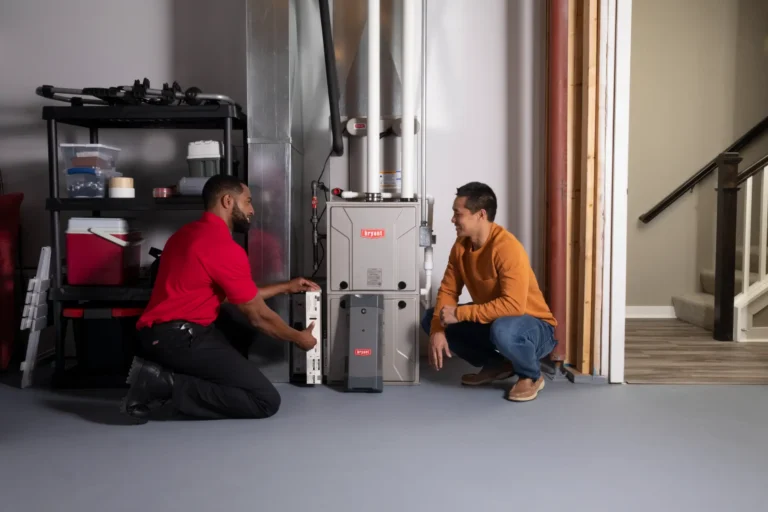

Professional Heating Installation Services for Bull Valley Homes
When winter temperatures in Bull Valley, IL, plummet below freezing, your home’s heating system becomes the most critical component of your comfort and safety. At Lea Heating & Air Conditioning, we understand that installing a new heating system represents a significant investment in your property’s value and your family’s wellbeing. Our comprehensive heating installation services combine decades of expertise with cutting-edge technology to deliver systems that operate efficiently throughout the harsh Illinois winters. We specialize in evaluating each home’s unique requirements, considering factors such as square footage, insulation quality, window placement, and existing ductwork configuration to recommend and install the ideal heating solution.
The process begins with an in-depth assessment of your current heating needs and future requirements. Our technicians examine your home’s thermal envelope, analyzing heat loss through walls, ceilings, and floors while identifying areas where energy efficiency can be maximized. This detailed evaluation ensures that your new heating system will be properly sized—neither too large, which wastes energy through short cycling, nor too small, which struggles to maintain comfortable temperatures during extreme weather conditions.
Understanding Modern Heating System Options
Today’s heating technology offers Bull Valley homeowners numerous options beyond traditional forced-air furnaces. High-efficiency gas furnaces now achieve Annual Fuel Utilization Efficiency (AFUE) ratings of up to 98%, meaning nearly all fuel consumed converts directly into heat for your home. These advanced systems incorporate variable-speed blowers and modulating gas valves that adjust output based on real-time heating demands, maintaining consistent temperatures while minimizing energy consumption. As a second-generation, family-owned HVAC provider in Northeast Illinois, we’ve witnessed firsthand the evolution of heating technology and can guide you through selecting equipment that balances upfront costs with long-term operational savings.
Heat pump systems have gained tremendous popularity in recent years, particularly dual-fuel configurations that combine electric heat pump efficiency with gas furnace reliability. These systems automatically switch between heat sources based on outdoor temperatures and energy costs, optimizing both comfort and efficiency. During milder weather, the heat pump extracts warmth from outdoor air—even when temperatures drop near freezing—while the gas furnace activates only during extreme cold snaps when heat pump efficiency diminishes.
The Installation Process: From Planning to Completion
Our heating installation process follows industry best practices developed over 45 years of excellence in the residential and light commercial heating, cooling, indoor air quality, and hot water fields. Initially, we conduct load calculations using Manual J methodology, which considers your home’s orientation, insulation levels, air infiltration rates, and internal heat gains from appliances and occupants. These calculations determine the precise heating capacity required, measured in British Thermal Units (BTUs) per hour, ensuring optimal system performance without unnecessary oversizing.
Ductwork evaluation and modification often represent crucial components of successful heating installations. Existing duct systems may require sealing, insulation upgrades, or reconfiguration to accommodate new equipment and ensure proper airflow distribution. We inspect all accessible ductwork for leaks, inadequate sizing, or damage that could compromise system efficiency. When necessary, we recommend and implement improvements such as adding return air vents, balancing dampers, or upgrading to insulated flexible ducts in unconditioned spaces like attics or crawlspaces.
Energy Efficiency and Cost Considerations
Investing in high-efficiency heating equipment delivers substantial returns through reduced monthly utility bills and enhanced home comfort. Modern condensing furnaces extract additional heat from exhaust gases that older models vent outdoors, achieving efficiency levels previously thought impossible. These systems require special venting arrangements using PVC pipes rather than traditional metal flues, as exhaust temperatures are significantly lower due to heat recovery processes. While initial equipment costs may be higher, the energy savings typically offset the investment within five to seven years, depending on usage patterns and local utility rates.
Smart thermostats and zoning systems further enhance efficiency by directing heat only where and when needed. Programmable schedules adjust temperatures based on occupancy patterns, while room sensors and motorized dampers create distinct comfort zones throughout your home. These technologies prevent energy waste from heating unoccupied spaces and eliminate temperature disparities between floors or rooms with varying sun exposure.
Maintenance Requirements and Long-Term Performance
Proper installation establishes the foundation for reliable heating system operation, but ongoing maintenance ensures continued efficiency and longevity. We educate homeowners about essential maintenance tasks, including:
- Filter replacement schedules varying from monthly to quarterly depending on filter type and household conditions
- Annual professional inspections to verify combustion efficiency, safety device operation, and component wear
- Keeping outdoor units clear of debris, snow, and vegetation for heat pump systems
- Monitoring system performance for unusual noises, odors, or cycling patterns indicating potential issues
- Testing carbon monoxide detectors regularly to ensure early warning of any combustion problems
Our installation services include comprehensive system commissioning, where we verify proper operation of all components, calibrate controls, and document baseline performance metrics for future reference. We provide detailed operation manuals and conduct thorough walkthroughs with homeowners, explaining thermostat programming, emergency shutdown procedures, and troubleshooting basic issues.
Local Climate Considerations for Bull Valley
Bull Valley’s location in northern Illinois presents unique heating challenges with average January temperatures hovering around 23°F and potential arctic blasts dropping temperatures well below zero. These conditions demand robust heating systems capable of maintaining comfortable indoor temperatures even during extended cold snaps. We factor in local weather patterns when recommending equipment, ensuring adequate capacity reserves for extreme conditions while maintaining efficiency during more moderate weather that comprises most of the heating season.
Humidity control becomes equally important during winter months when heated indoor air becomes excessively dry, causing discomfort and potential health issues. We often recommend whole-house humidification systems integrated with new heating installations, maintaining optimal indoor humidity levels between 30% and 50%. These systems protect wood furnishings from cracking, reduce static electricity, and improve perceived warmth, allowing lower thermostat settings without sacrificing comfort. As leaders exemplifying innovation and proven integrity in the HVAC industry, we ensure every installation addresses both temperature and humidity requirements for complete indoor comfort throughout Bull Valley’s demanding winters.