How Heating and Cooling Red Flags During a Home Inspection Can Save Northeast Illinois Buyers Thousands
Purchasing a home in Elgin, Algonquin, Carpentersville, Hoffman Estates, Sleepy Hollow, or West Dundee is one of the largest financial commitments most families will ever make. While buyers often focus on cosmetic details like kitchen finishes or backyard size, the HVAC system quietly represents one of the most expensive and consequential components of any property. A furnace nearing the end of its life or an air conditioner with hidden issues can translate into thousands of dollars in unexpected costs within the first year of ownership. As a second-generation, family-owned HVAC provider continuing 45 years of excellence in residential and light commercial heating, cooling, indoor air quality, and hot water fields, we have inspected, repaired, and replaced countless systems missed or downplayed during general home inspections.
Home inspectors do a valuable job, but they are generalists. Specialized HVAC scrutiny can reveal red flags that save buyers significant money at the negotiating table or help them walk away from a property that would become a money pit. Understanding what to look for, and bringing in a qualified second opinion, can be the difference between a smart purchase and a costly regret.
Common Heating Red Flags That Indicate Trouble
Furnaces in Northeast Illinois work hard. Cold winters with subzero stretches push systems to their limits, and any underlying weakness shows up over time. During an inspection, certain signs should immediately raise concerns. Rust around the heat exchanger, soot accumulation near burners, or cracks in the combustion chamber can signal a furnace that is unsafe and potentially leaking carbon monoxide. These are not minor repairs. A cracked heat exchanger typically means full furnace replacement.
Age is another major factor. Most residential furnaces last 15 to 20 years with proper maintenance, but performance and efficiency drop significantly after year 12. If the data plate shows a manufacture date from the early 2000s or earlier, buyers should plan financially for replacement. Other warning signs include yellow burner flames instead of crisp blue, excessive noise during operation, uneven heating between rooms, and a system that short cycles repeatedly. Each of these issues points to deeper problems that a casual walkthrough may miss.
Air Conditioning Concerns That Cost Buyers Thousands
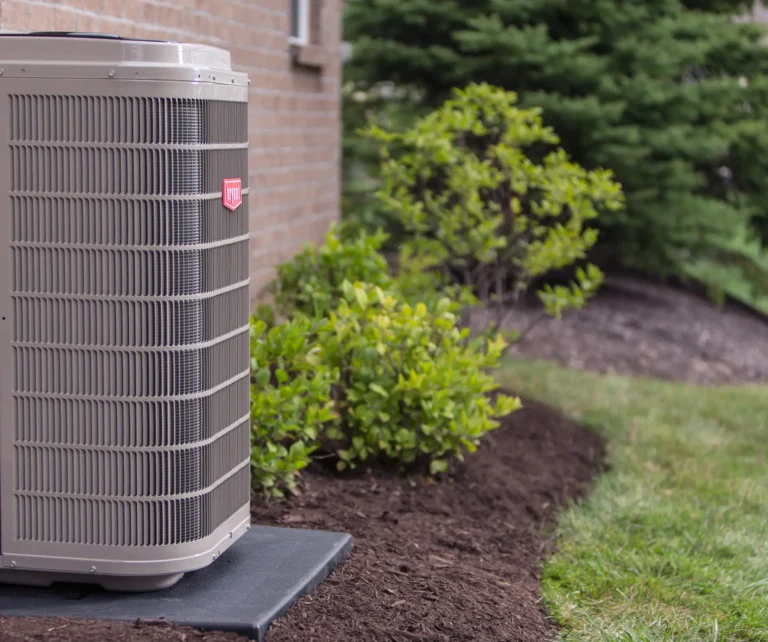
Air conditioning systems carry their own set of red flags. The outdoor condenser unit tells a story just by visual inspection. Bent fins, corroded coils, dented cabinets, and missing electrical disconnects all suggest neglect or improper installation. Inside, the evaporator coil and refrigerant lines should be free of ice, oil residue, or pitting. Oil stains around connections often indicate refrigerant leaks, which can range from minor recharges to full coil replacement.
Refrigerant type matters significantly. Systems still running on R-22, an older refrigerant phased out in 2020, are expensive to service when leaks occur. If the inspection reveals an R-22 system in any of the towns we serve, buyers should factor full system replacement into their offer. Additional concerns include:
- Improper unit sizing where the AC is too large or too small for the home’s square footage, causing comfort and humidity problems
- Outdated thermostats and wiring that limit system performance and energy efficiency
- Poor ductwork conditions including disconnected sections, crushed flex duct, or missing insulation in unconditioned spaces
Indoor Air Quality and Ventilation Warning Signs
Indoor air quality is increasingly important to buyers, especially families with allergies, asthma, or young children. During an inspection, visible mold growth around vents, musty smells when the system runs, or excessive dust accumulation around registers all indicate ventilation problems. These issues frequently stem from oversized systems, improper duct sealing, or lack of fresh air exchange.
Hot water heaters often get bundled into HVAC inspections as well. Tanks showing rust at the base, moisture pooling beneath the unit, or units beyond their 10 to 12 year lifespan represent imminent replacement costs. We routinely help buyers in West Dundee and Hoffman Estates negotiate seller credits when these issues come to light during due diligence.
How a Specialized HVAC Inspection Protects Your Investment
Bringing in an HVAC specialist before closing provides leverage. Detailed documentation of system age, condition, refrigerant type, efficiency ratings, and projected remaining lifespan gives buyers concrete numbers to bring back to sellers. Whether the result is a price reduction, a repair credit, or a fully replaced system at closing, the investment in a professional second opinion almost always pays for itself many times over.
Our team understands the housing stock across Northeast Illinois, from older Victorian homes in Elgin to newer subdivisions in Algonquin and Carpentersville. We know what systems were commonly installed, what failure patterns typically emerge, and how to evaluate each component with the rigor that protects your purchase. Before signing on a new home, make heating and cooling scrutiny a priority. The thousands you save will make settling into your new home that much sweeter.