AC Repair Crystal Lake, IL
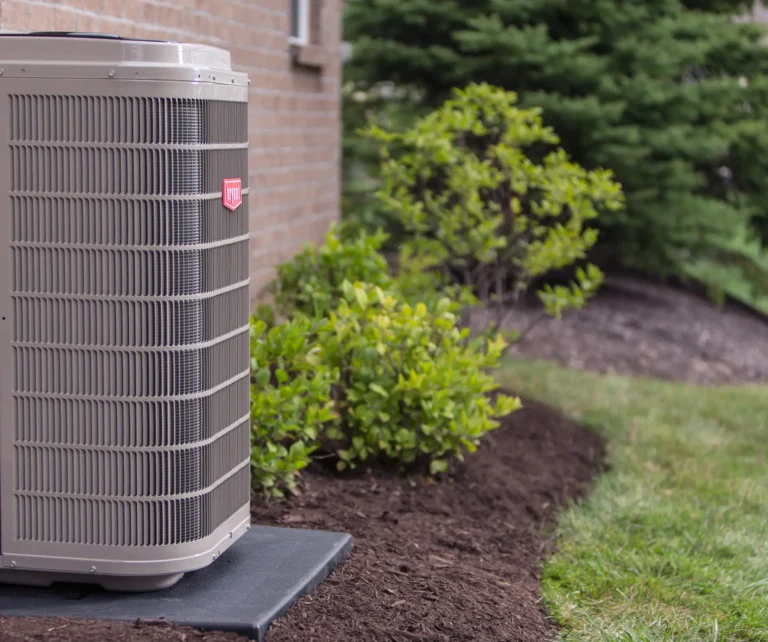
When your air conditioning system fails during a sweltering Illinois summer, you need reliable AC repair services that can restore comfort to your home quickly and efficiently. Crystal Lake residents understand the importance of maintaining functional cooling systems, especially when temperatures climb into the 90s and humidity makes outdoor conditions unbearable. At Lea Heating & Air Conditioning, we specialize in comprehensive AC repair solutions that address everything from minor refrigerant leaks to complete compressor failures, ensuring your home remains a comfortable sanctuary regardless of outdoor conditions.
Our extensive experience serving the Northwest Suburbs for over 48 years has given us unique insights into the specific cooling challenges faced by Crystal Lake homeowners. The area’s fluctuating temperatures, combined with high humidity levels typical of northeastern Illinois, place significant demands on residential air conditioning systems. These environmental factors, coupled with the age of many homes in the region, create unique repair scenarios that require both technical expertise and practical problem-solving skills.
Common Air Conditioning Problems in Crystal Lake Homes
The most frequent AC issues we encounter in Crystal Lake properties often stem from inadequate maintenance and the natural wear that occurs over years of seasonal use. Refrigerant leaks represent one of the most common problems, typically manifesting as reduced cooling capacity, longer run times, and ice formation on the evaporator coils. These leaks can develop at connection points, through corroded coils, or due to vibration-induced stress fractures in copper lines. Detecting and repairing refrigerant leaks requires specialized equipment including electronic leak detectors, UV dye systems, and pressure testing tools that help pinpoint even the smallest breaches in the sealed system.
Electrical component failures constitute another major category of AC repairs we handle regularly. Capacitors, which provide the initial power surge needed to start compressor and fan motors, frequently fail due to heat exposure and voltage fluctuations. When capacitors weaken or fail completely, motors may struggle to start, produce humming sounds without engaging, or fail to operate entirely. Contactors, the electromagnetic switches that control power flow to major components, also wear out over time, with their contact points becoming pitted or welded together from repeated electrical arcing. As a second-generation, family-owned HVAC provider in Northeast Illinois, we’ve developed streamlined diagnostic procedures that quickly identify these electrical issues, minimizing downtime and reducing repair costs.
Diagnostic Approach and Repair Methodology
Our systematic approach to AC repair begins with comprehensive system evaluation that examines both mechanical and electrical components. We utilize digital manifold gauges to measure system pressures, superheat, and subcooling values, providing precise data about refrigerant charge levels and system efficiency. Temperature measurements across the evaporator and condenser coils reveal airflow restrictions, dirty coils, or failing components that might not be immediately visible. Amperage readings on motors and compressors help identify components drawing excessive current, indicating mechanical problems or impending failures.
Advanced diagnostic tools have revolutionized how we approach complex AC problems. Thermal imaging cameras allow us to visualize temperature differentials across components, identifying hot spots in electrical connections, blocked sections of coils, or inadequate insulation. Digital psychrometers measure temperature and humidity levels throughout your home, helping us determine if your system is properly sized and configured for optimal dehumidification. These sophisticated tools, combined with decades of field experience, enable us to diagnose problems accurately on the first visit, eliminating guesswork and unnecessary part replacements.
Repair Techniques for Different AC System Types
Crystal Lake homes feature various air conditioning configurations, each requiring specialized repair approaches. Traditional split systems, with outdoor condensing units and indoor air handlers, remain the most common configuration. These systems often experience issues with condensate drainage, particularly when drain lines become clogged with algae or debris. We employ specialized cleaning techniques including pressurized water flushing, chemical treatments, and mechanical cleaning tools to restore proper drainage and prevent water damage to your home.
Package units, which combine heating and cooling components in a single outdoor cabinet, present unique repair challenges due to their exposure to weather elements. These systems frequently suffer from control board failures caused by moisture infiltration, requiring careful diagnosis to distinguish between board problems and the sensor or actuator issues that might trigger error codes. Heat pump systems, increasingly popular for their energy efficiency, require technicians familiar with reversing valve operations, defrost control sequences, and the intricate balance between heating and cooling modes. Continuing 45 years of excellence in the residential and light commercial heating, cooling, indoor air quality, and hot water fields, we exemplify leading innovation and proven integrity in handling all system types.
Preventive Measures and Maintenance Strategies
Understanding the relationship between regular maintenance and reduced repair frequency helps Crystal Lake homeowners protect their cooling system investments. Key maintenance tasks that prevent common failures include:
- Coil cleaning: removing accumulated dirt and debris that reduces heat transfer efficiency and forces systems to work harder
- Refrigerant charge verification: ensuring optimal levels for maximum cooling capacity and energy efficiency
- Electrical connection inspection: identifying loose connections or corroded terminals before they cause component failures
- Belt tension adjustment: preventing premature wear on motors and bearings in belt-driven systems
- Condensate system maintenance: clearing drain lines and treating pans to prevent biological growth and water overflow
Regular filter replacement remains the single most important maintenance task homeowners can perform themselves. Clogged filters restrict airflow, causing evaporator coils to freeze, compressors to overheat, and overall system efficiency to plummet. We recommend checking filters monthly during peak cooling season, with replacement intervals varying based on filter type, indoor air quality, and usage patterns.
Energy Efficiency Considerations During Repairs
Modern AC repair extends beyond simply restoring function to addressing energy efficiency concerns that impact long-term operating costs. When replacing failed components, we evaluate opportunities to upgrade to higher-efficiency alternatives. Variable-speed fan motors, for instance, can replace failed single-speed motors, providing improved humidity control and reduced energy consumption. Electronic expansion valves offer more precise refrigerant flow control than traditional fixed-orifice devices, optimizing system performance across varying load conditions.
Duct system evaluation during AC repairs often reveals significant efficiency losses through leakage and poor insulation. Sealing accessible duct connections with mastic compounds and replacing deteriorated insulation can improve cooling performance while reducing energy consumption by up to thirty percent. These improvements prove particularly valuable in older Crystal Lake homes where original ductwork may have developed numerous leaks over decades of thermal cycling and settling.
The decision between repairing and replacing aging AC systems requires careful consideration of multiple factors including equipment age, repair frequency, and technological advancement available in newer systems. Our honest assessment helps homeowners make informed decisions based on long-term value rather than short-term costs, ensuring optimal comfort and efficiency for years ahead.