
Understanding the Limits of Your Home Service Warranty
As a second-generation, family-owned HVAC provider in Northeast Illinois, we’ve helped countless homeowners navigate the complexities of home service warranties over our 45 years of excellence. While these warranties can provide valuable protection for your heating and cooling systems, many Illinois homeowners discover too late that certain critical items aren’t covered when they need them most. Understanding these exclusions before an emergency strikes can save you from unexpected repair bills and help you budget appropriately for home maintenance.
Home service warranties typically cover major systems and appliances, but the fine print often reveals significant gaps in coverage. We’ve seen firsthand how these exclusions can catch homeowners off guard, particularly during extreme weather conditions when heating and air conditioning systems face their greatest stress. By identifying these coverage gaps early, you can make informed decisions about additional protection or set aside funds for potential repairs.
Pre-Existing Conditions and Improper Installation
One of the most common exclusions homeowners encounter involves pre-existing conditions and problems stemming from improper installation. If your HVAC system had issues before your warranty coverage began, or if it was incorrectly installed by a previous contractor, warranty companies will typically deny claims related to these problems. This includes situations where ductwork wasn’t properly sized, refrigerant lines were incorrectly routed, or electrical connections don’t meet current code requirements.
During our heating service calls throughout Elgin, Algonquin, and Carpentersville, we frequently discover installation issues that would void warranty coverage. These might include undersized return air ducts causing system strain, improperly pitched condensate lines leading to water damage, or gas connections that don’t meet safety standards. Even if these problems don’t immediately cause system failure, they can lead to premature wear and reduced efficiency that warranty providers won’t address.
Code Violations and Permit Requirements
Illinois building codes and local ordinances in communities like Hoffman Estates and West Dundee require specific standards for HVAC installations and repairs. Home service warranties rarely cover the cost of bringing systems up to current code requirements, even when those updates are necessary for safety or legal compliance. This becomes particularly problematic when replacing older equipment, as code requirements often change over time.
For example, modern codes may require dedicated circuits for air conditioning units, specific clearances around outdoor condensers, or updated ventilation standards for gas furnaces. When we perform heating repair or AC repair services, addressing these code compliance issues can add substantial costs beyond what warranties cover. Additionally, permit fees and inspection costs are almost never included in warranty coverage, leaving homeowners responsible for these administrative expenses.
Eight Critical Exclusions Every Homeowner Should Know
- Refrigerant recharging and leak detection: While warranties might cover compressor replacement, they often exclude the cost of refrigerant and the labor-intensive process of finding and repairing leaks in your air conditioning system.
- Secondary damage from system failures: If a failed furnace causes frozen pipes or a malfunctioning AC unit leads to mold growth, the warranty typically won’t cover this consequential damage.
- Ductwork modifications and repairs: Despite being essential for proper heating and cooling distribution, ductwork issues are frequently excluded from coverage.
- Thermostat upgrades and smart home integration: Modern programmable and smart thermostats that improve efficiency and comfort aren’t covered replacements for basic models.
- Preventive maintenance requirements: Warranties often require proof of regular professional maintenance, but they don’t cover the cost of these service visits.
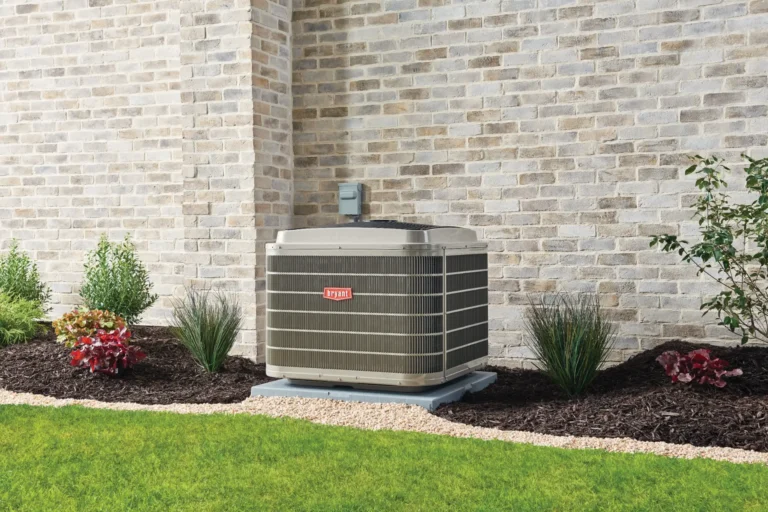
- Outdoor unit cosmetic damage: Hail damage, rust, or other aesthetic issues that don’t affect operation won’t be addressed by warranties.
- Indoor air quality improvements: UV lights, advanced filtration systems, and humidity control equipment fall outside standard coverage.
- Utility connection fees: Costs associated with connecting new equipment to gas, electrical, or water services remain the homeowner’s responsibility.
Protecting Your Investment Beyond Warranty Coverage
Understanding these warranty limitations helps you make informed decisions about protecting your home comfort systems. Regular professional maintenance from experienced HVAC service providers can prevent many issues that warranties won’t cover. By establishing a relationship with a trusted heating and cooling contractor, you ensure that potential problems are identified early and that your systems operate efficiently throughout their lifespan.
In Sleepy Hollow and surrounding areas, extreme temperature variations put additional stress on HVAC systems, making proper maintenance even more critical. Our residential and light commercial heating expertise has shown that well-maintained systems not only last longer but also maintain their warranty eligibility by meeting manufacturer requirements. Consider supplementing your home service warranty with a comprehensive maintenance agreement that addresses preventive care and provides priority service when issues arise. This combination offers the most complete protection for your home comfort investment while helping you avoid surprise expenses from uncovered repairs.